Haydn Music 海顿音乐
Haydn Music 海顿音乐 · Founded 2019 in Box Hill, Melbourne

From beginner to advanced, every step has a clear learning goal.

The Haydn piano programme combines planned materials, term goals and progress checks. Children build the basics step by step and learn to read music, practise and play a piece all the way through. Parents can see where the learning is heading and how far it has come.

Let music give a child confidence for life.

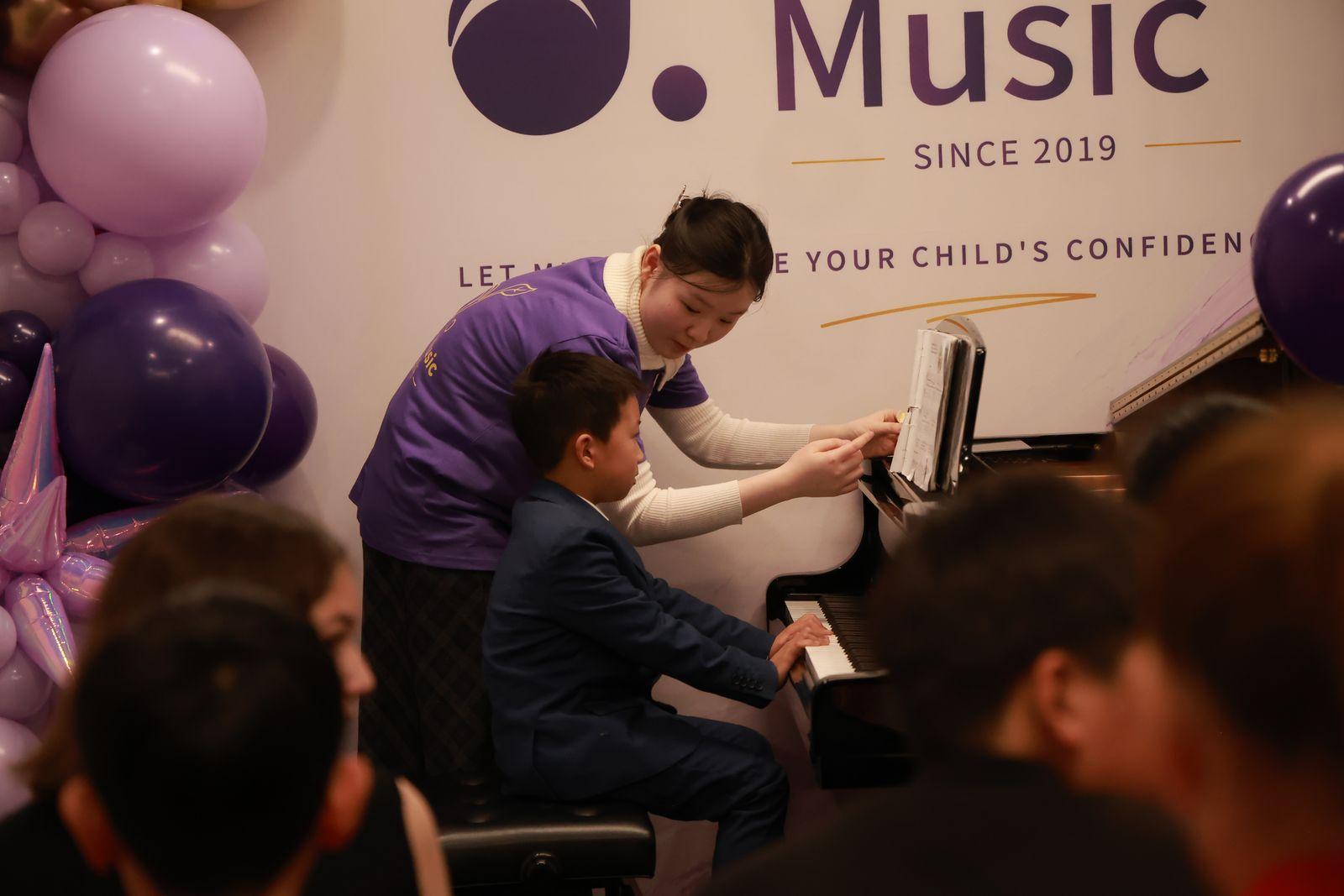
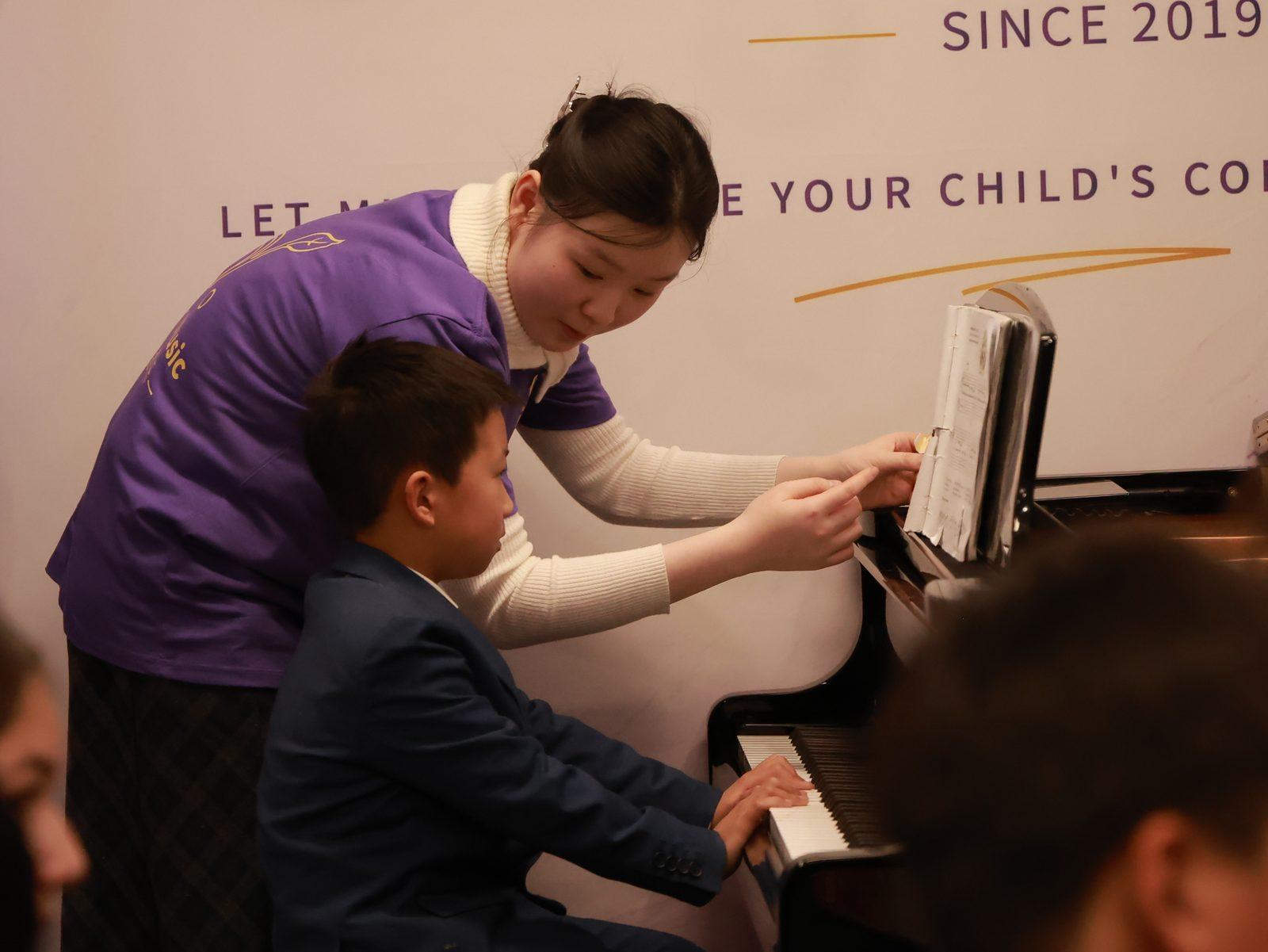
A teacher in a Haydn T-shirt guiding a student at the piano

Meet Haydn Music · 1-minute video

Tap to play, with subtitles

Get to know Haydn

We want children to learn more than a single piece. Haydn links its materials, term goals and progress checks, so children understand the music and learn how to learn. Weekly practice tasks, plus a piece and feedback each term, show parents what their child is learning and what comes next.

Find lessons by age

How old is your child?

Tap an age to see what your child can learn and where to start. No details needed.

Why Haydn

You can see what your child is learning at every step.

Planned materials, so each step leads to the next

Materials are chosen for the child's starting point and stage, so reading, rhythm, playing and understanding music build on each other.

What parents getYou know why your child is learning this, and what comes after it.
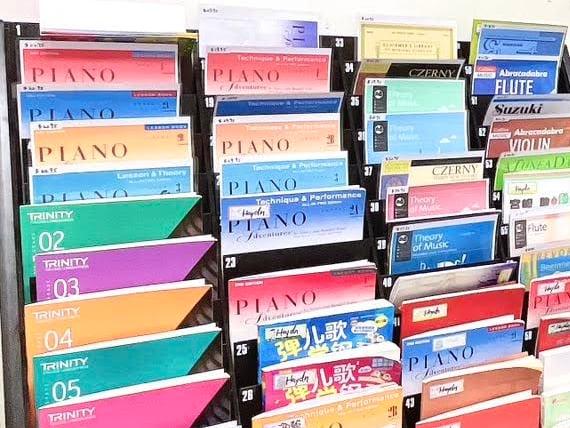
The music-book display at the old studio

Term goals, so learning has a direction

Each term has a clear focus, so parents know which skills their child is building.

What parents getYou don't have to guess at progress from the number of pieces played. There are specific things to look for.

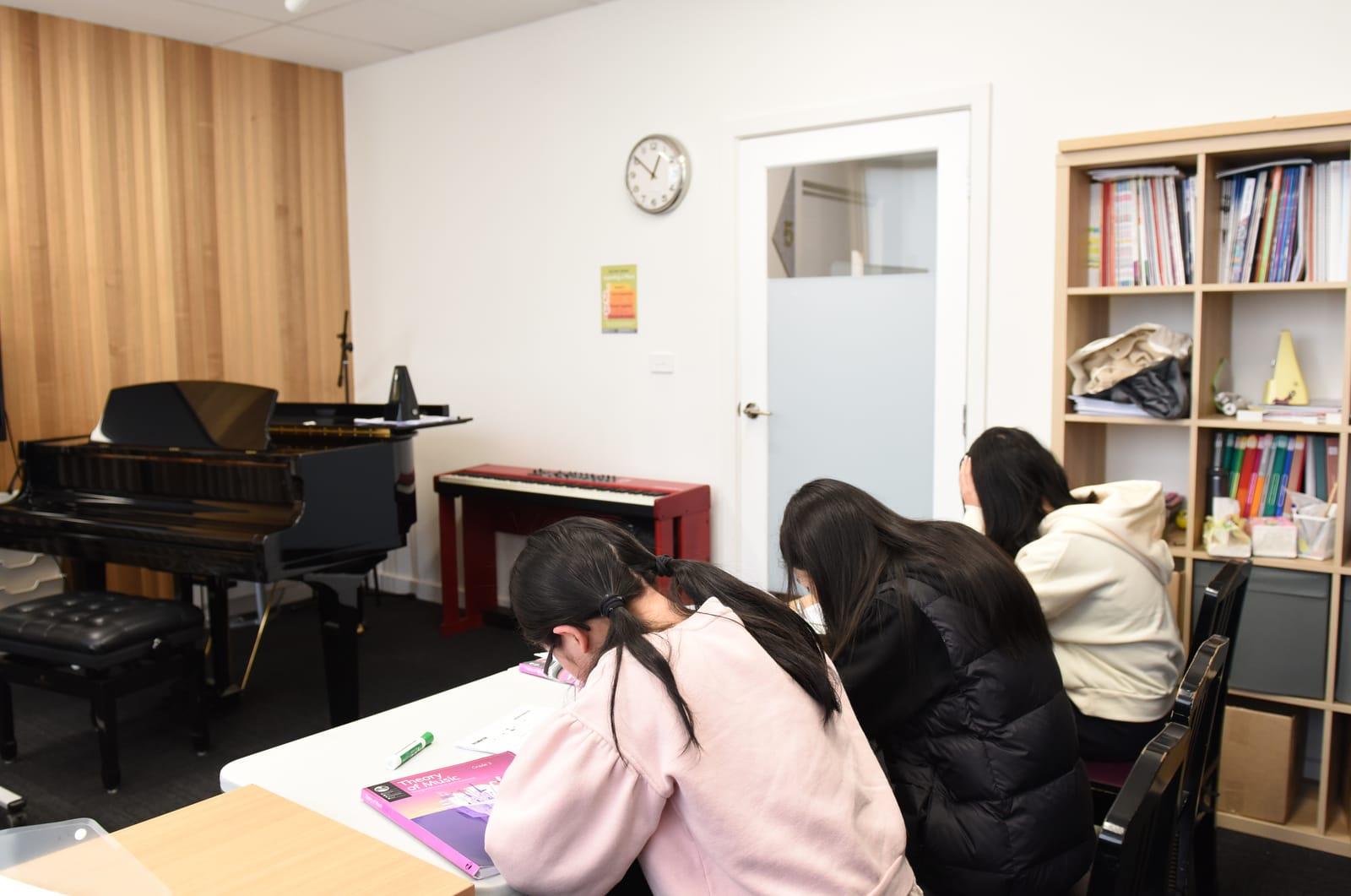
Students discussing together in a music theory group class

Progress checks, so you can see the progress

A performance piece and a progress check show what your child can already do on their own and what still needs help, and lead into the next step.

What parents getYou know where your child is now, and how to help with what comes next.

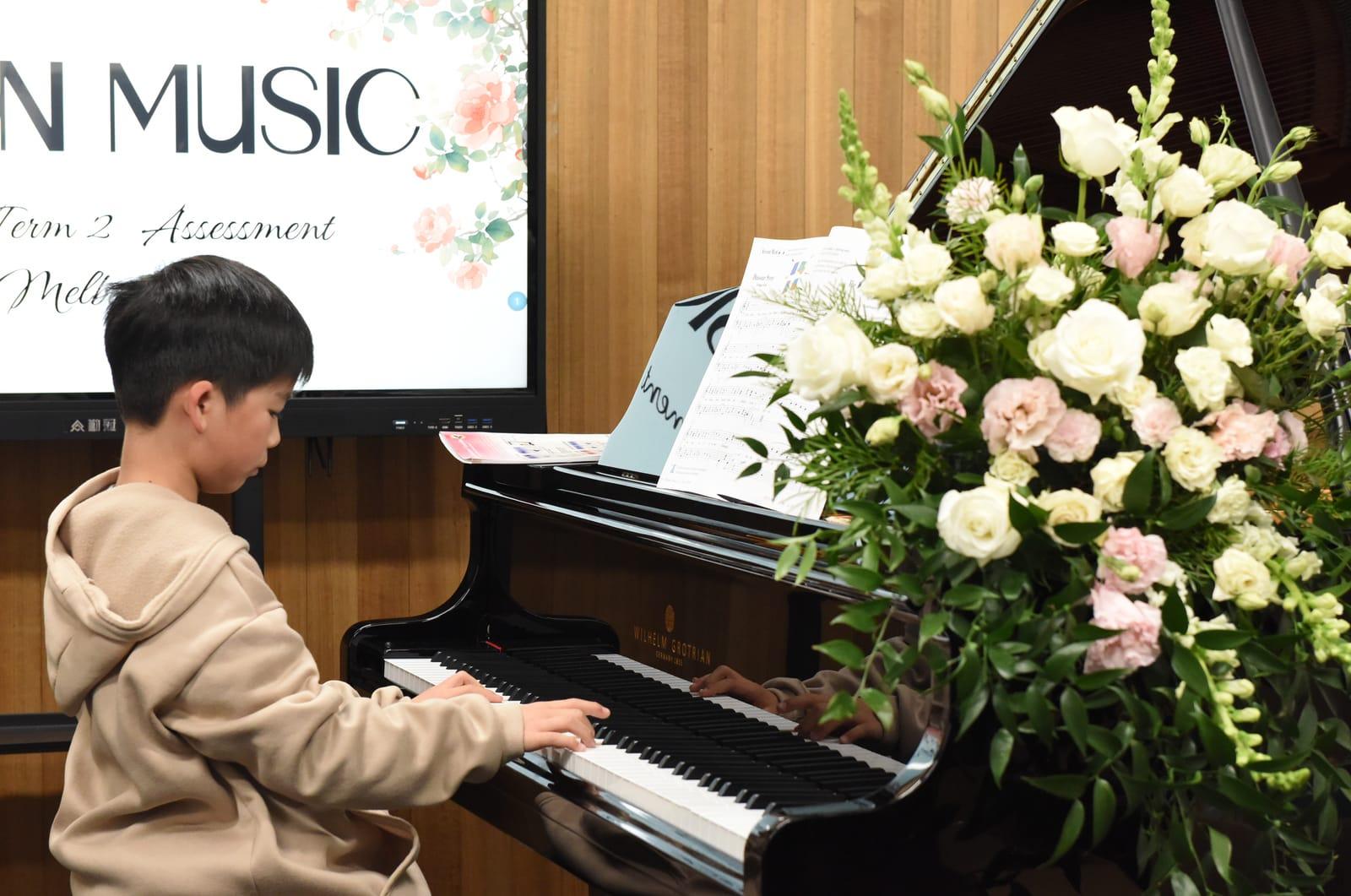
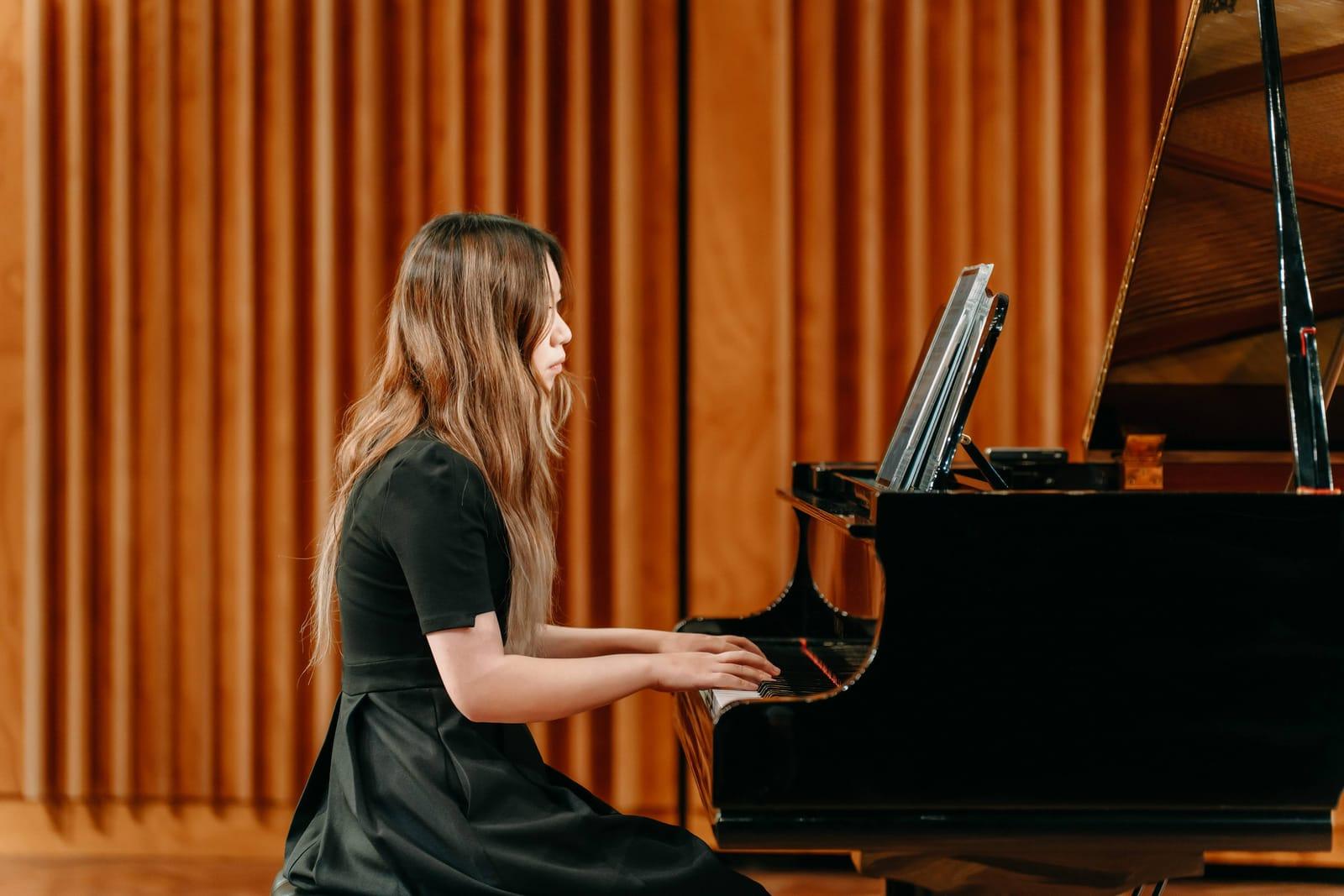
A student playing piano at a stage assessment (side view)

Book a piano trial

Founder and teachers

Teach the basics clearly, and make each child's progress easy to see.

Wendy Qu | Founder of Haydn Music

Wendy graduated in music education from the Shenyang Conservatory of Music. She has been around music since childhood and began teaching while still a student. Before founding Haydn, she taught music in China and started a music school there.

At Haydn she is mainly responsible for the four areas below. Her hope is that children gradually learn to read music on their own, know how to practise, and have the courage to perform.

  • 1CurriculumPlanning the materials for beginners and developing the programme.
  • 2Stage assessmentAssessing the performance piece and progress check at each stage.
  • 3Teacher guidanceGuiding teachers in putting the programme into practice in lessons.
  • 4Talking with parentsTalking with parents about how their child is doing and what comes next.
At a concert, a teacher guides a student at the piano
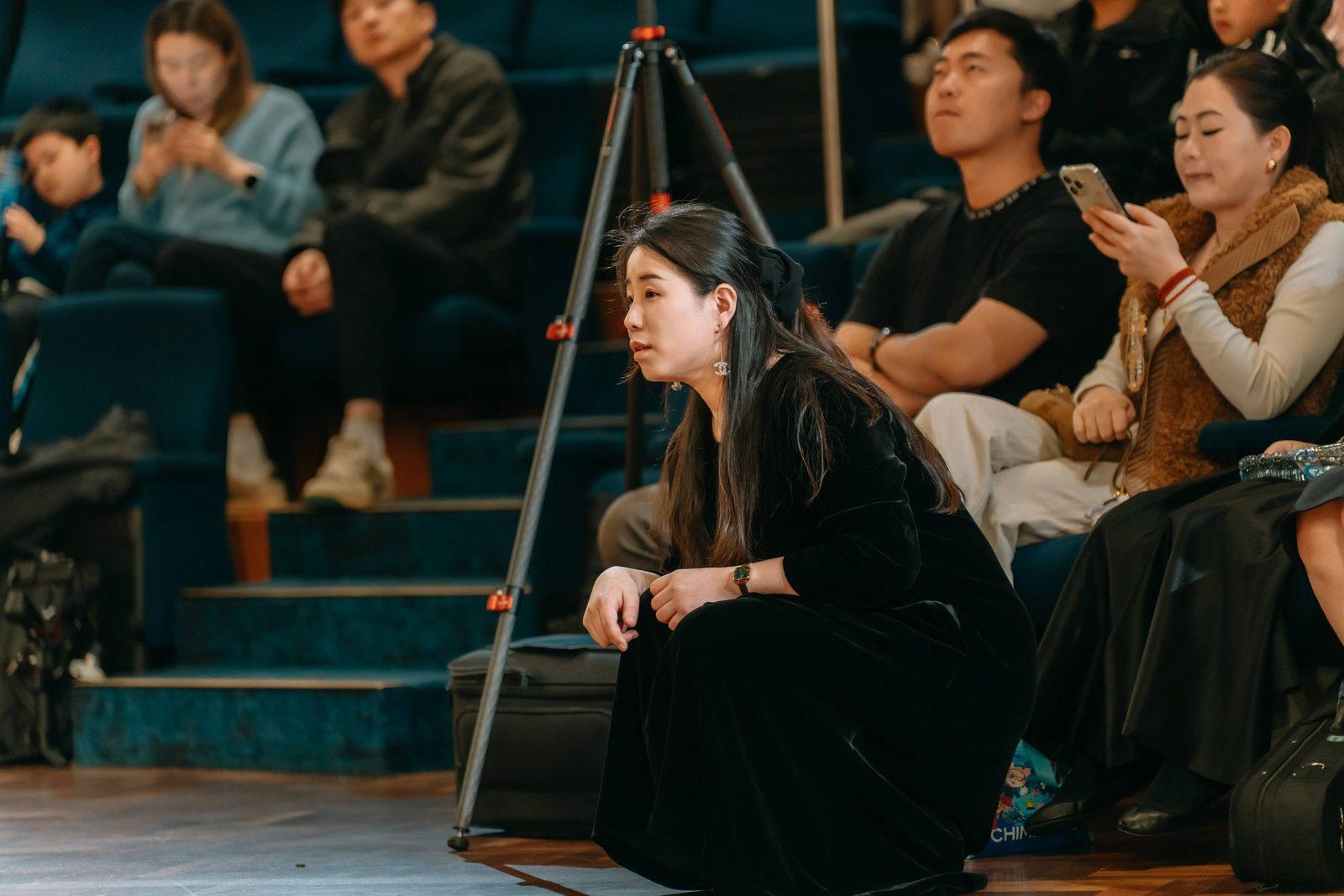
The founder of Haydn Music at a concert
Wendy on whether piano lessons are ever wasted (in Mandarin)

The teaching team

Teachers teach, talk with parents and give progress feedback within Haydn's programme. You book with Haydn, and the school arranges the teaching.

Join the Haydn teaching team →

Learning path and results

Every term, see exactly what your child has learned.

First, the goals for the first term. Then, what each of the four stages builds.

  1. Foundation启蒙阶段

  2. Development进阶阶段

  3. Mastery考级冲刺阶段

  4. Performance表演阶段

Goals for the first term

What parents can look for

  1. 1Finding the keysGradually finds the starting key without help.
  2. 2Starting to read musicGradually makes sense of the markings in beginner music.
  3. 3Rhythm and playingTries to play in time with the beat.
  4. 4Finishing a pieceFinishes a short piece that is ready to play for others.

Every week you receive specific practice tasks, so you know what to practise at home and how. At the end of term, a performance piece and a progress check show what your child can already do on their own, what still needs help, and what comes next.

The four stages after that

  1. 1Foundation

    Main focus of this stage
    Getting to know the keyboard, finger numbers and basic rhythm, gradually reading beginner music, and finishing a short piece.
    What parents can see
    Clips of pieces, things your child can now do on their own, and samples of feedback.
    What comes next
    Leads into Development: from beginner music towards reading music and playing hands together.
  2. 2Development

    Main focus of this stage
    Developing music reading, playing hands together and basic technique, and using the methods from lessons in practice. Children gradually learn to work through a new piece step by step, paying attention to playing it through without stopping, phrasing and musical expression.
    What parents can see
    Clips of pieces, things your child can now do on their own, and samples of feedback.
    What comes next
    Children with an exam goal move on to Mastery; others can keep building performing experience.
  3. 3Mastery

    Main focus of this stage
    Preparing for the requirements of the child's goal. An exam is arranged once a progress check shows the child is ready.
    What parents can see
    Clips of pieces, things your child can now do on their own, and samples of feedback.
    What comes next
    After the exam, children keep developing as performers and move into Performance. Our student stories state where each child started; they do not mean every student will reach the same result.
  4. 4Performance

    Main focus of this stage
    Performing a piece from start to finish, and gaining stage experience by performing pieces and playing in concerts, gradually building confidence in performing.
    What parents can see
    Clips of pieces, things your child can now do on their own, and samples of feedback.
    What comes next
    Children keep gaining performing experience, and the next step depends on the child's own goals.

Term assessment highlights

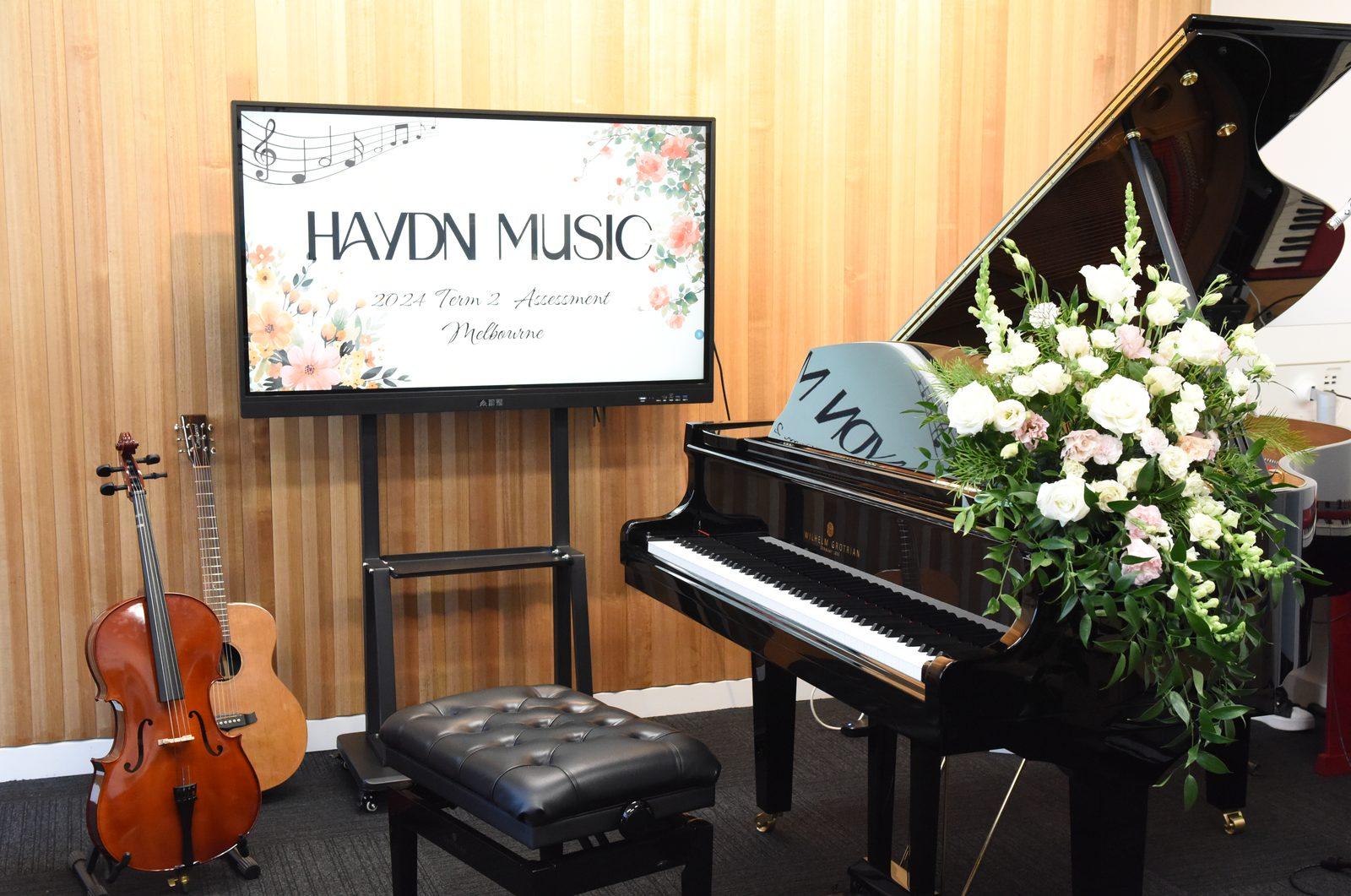
A stage assessment: a grand piano and a screen announcing the term assessment
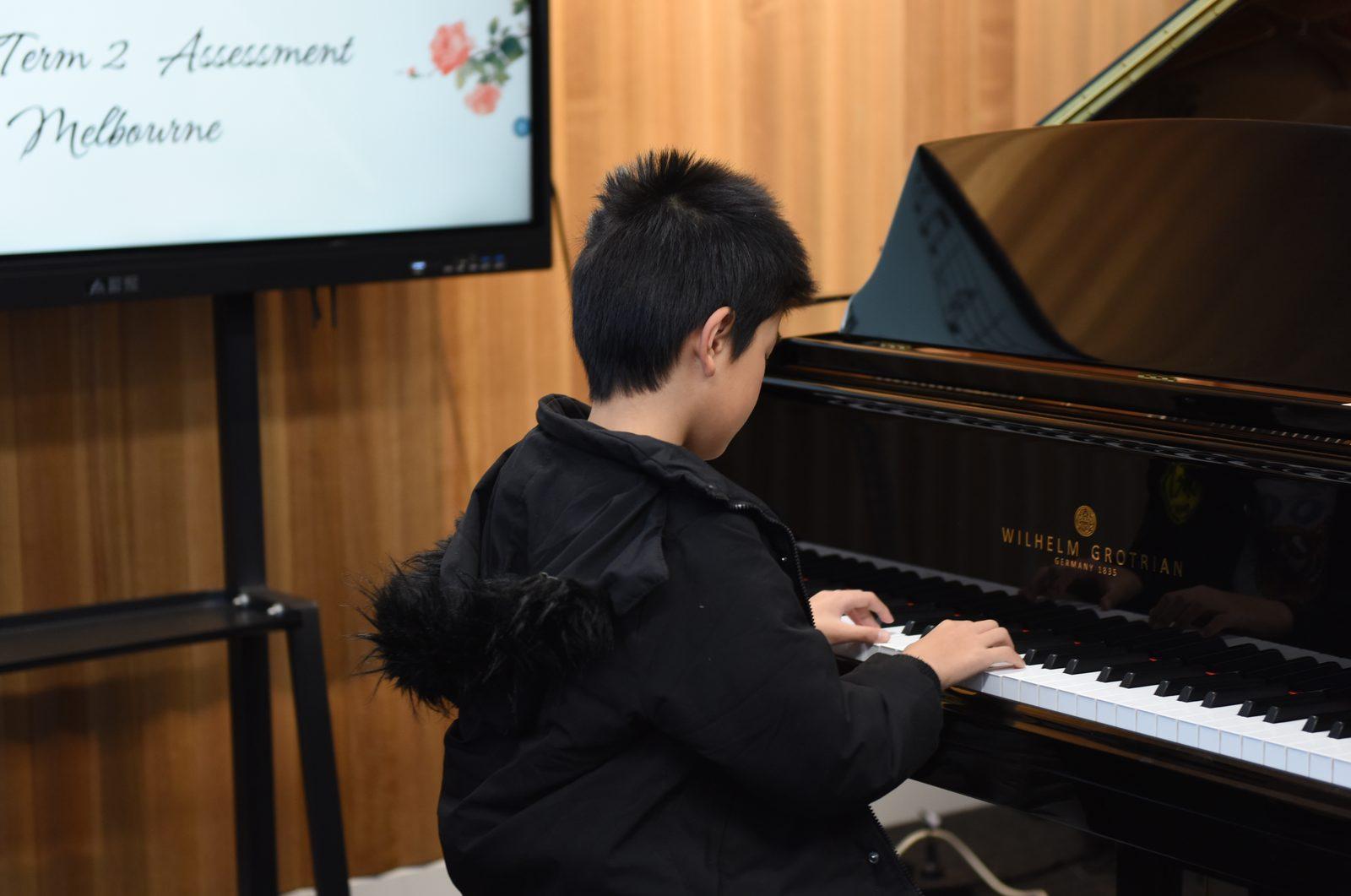
A student playing piano at a stage assessment (side view)

2024 Term 2 assessment

How we teach

Learn the method in the lesson, and know how to practise at home.

Lessons combine piano playing, rhythm games, listening and singing, and playing with the teacher's accompaniment, so children meet the same musical idea in several ways. The teacher practises with the child step by step, helping them gradually learn how to work through problems. Specific practice tasks each week also tell parents what to practise at home and how.

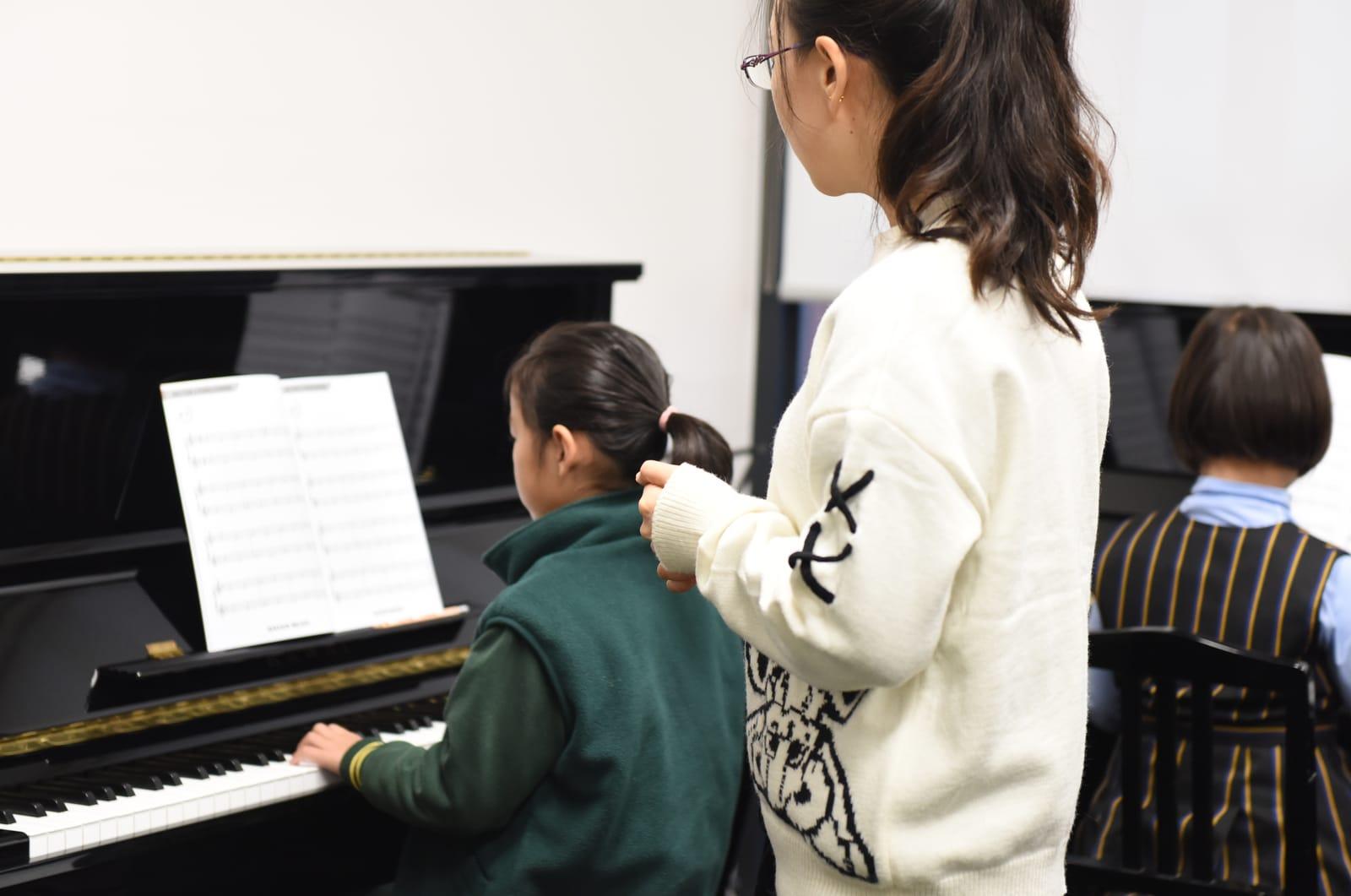
A moment in a piano lesson
The teacher explains and practises with the child
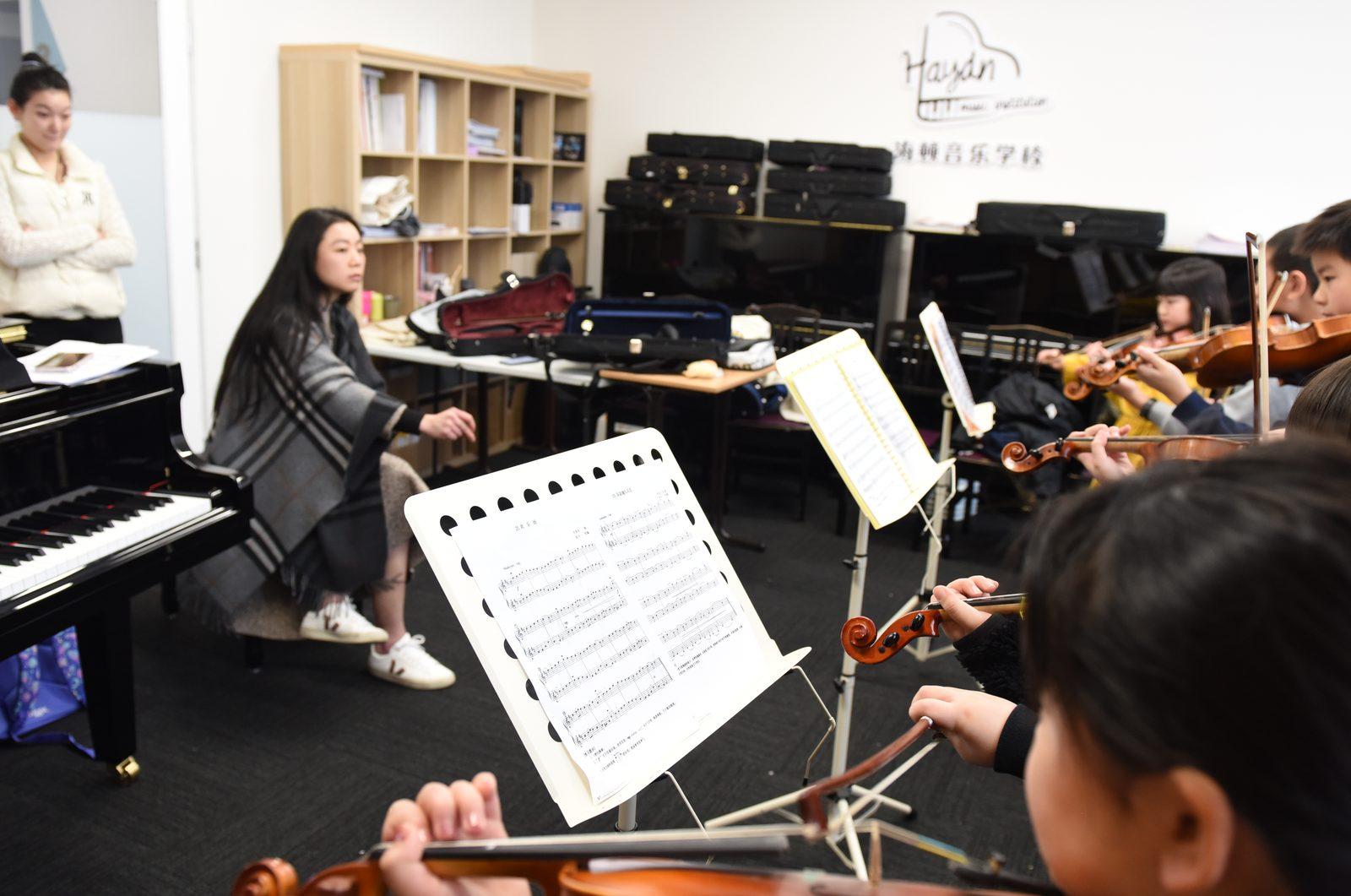
A teacher at the piano accompanying a student ensemble
Rhythm, listening and singing, or playing together
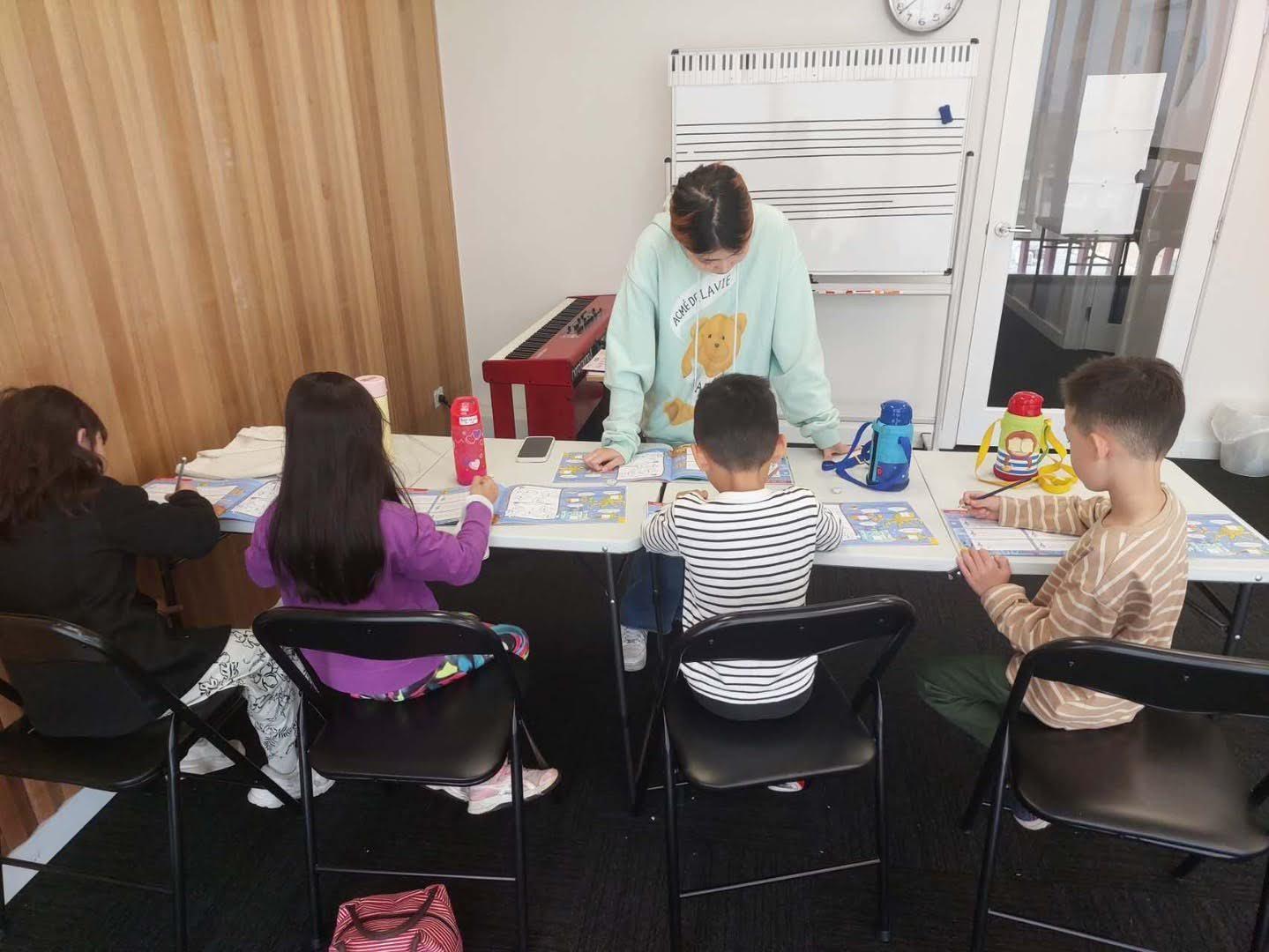
A teacher checking each child's workbook in a small theory class
Practice tasks and feedback
Holiday programme classroom clip (theory)

Find out how your child could start

Student progress, results and parent feedback

See how one child learns, step by step.

Exams and results

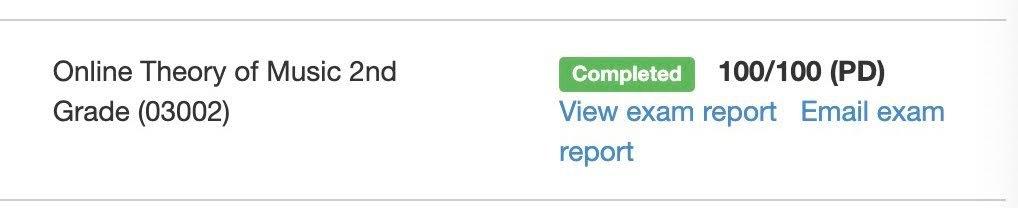
AMEB Online Theory of Music Grade 2 results · some of our students, names hidden

Screenshot of an AMEB Online Theory of Music result

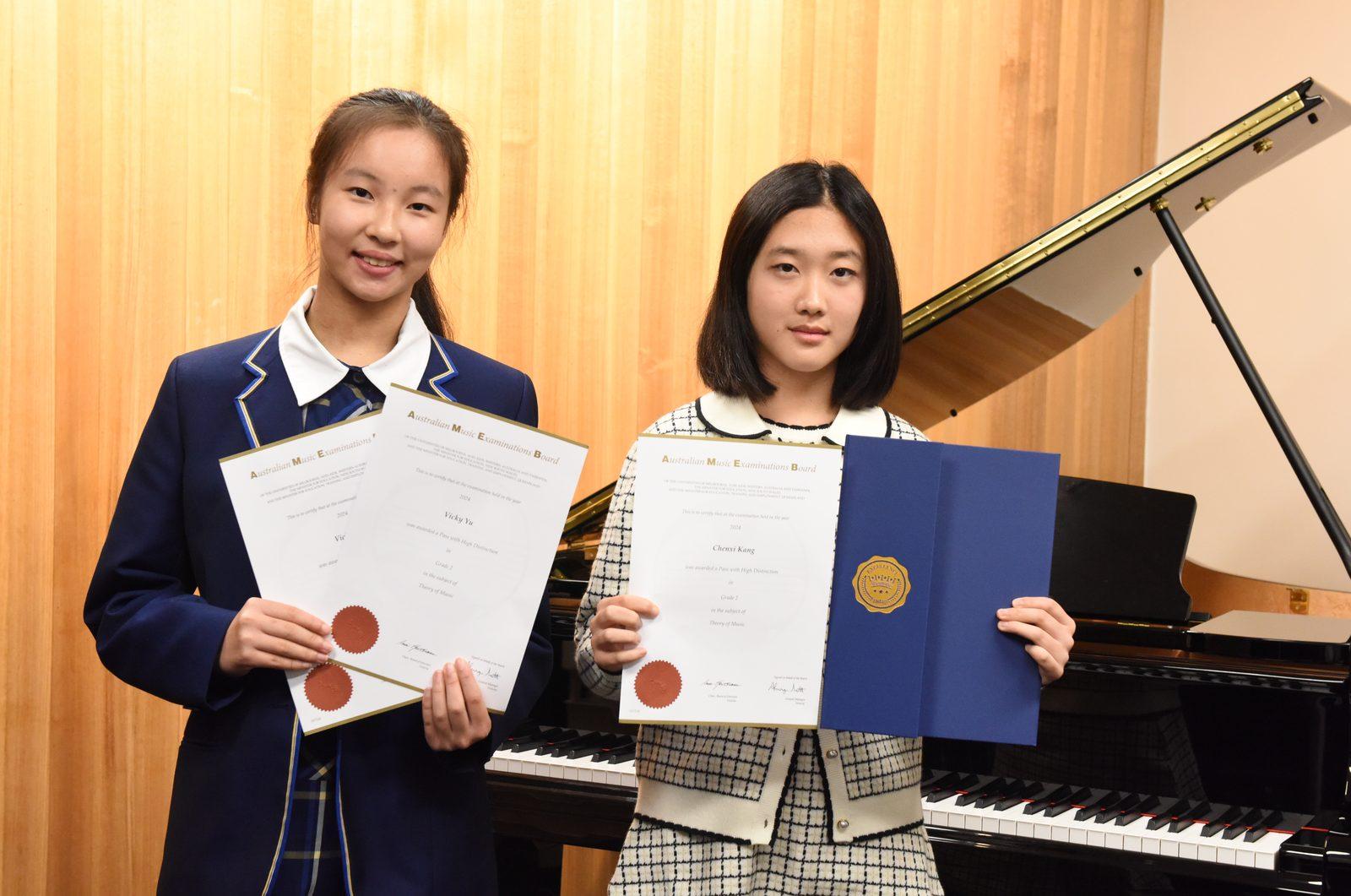
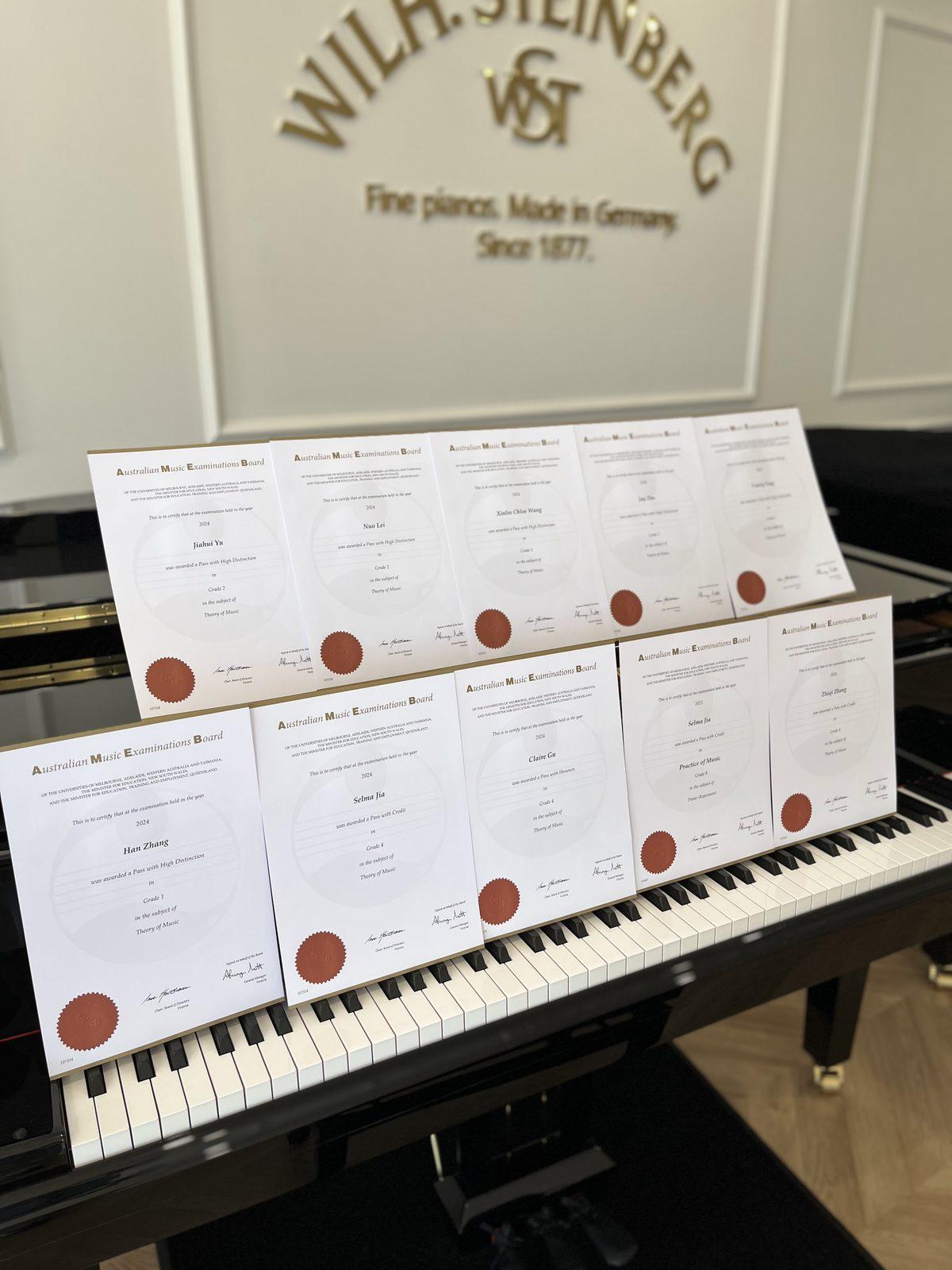
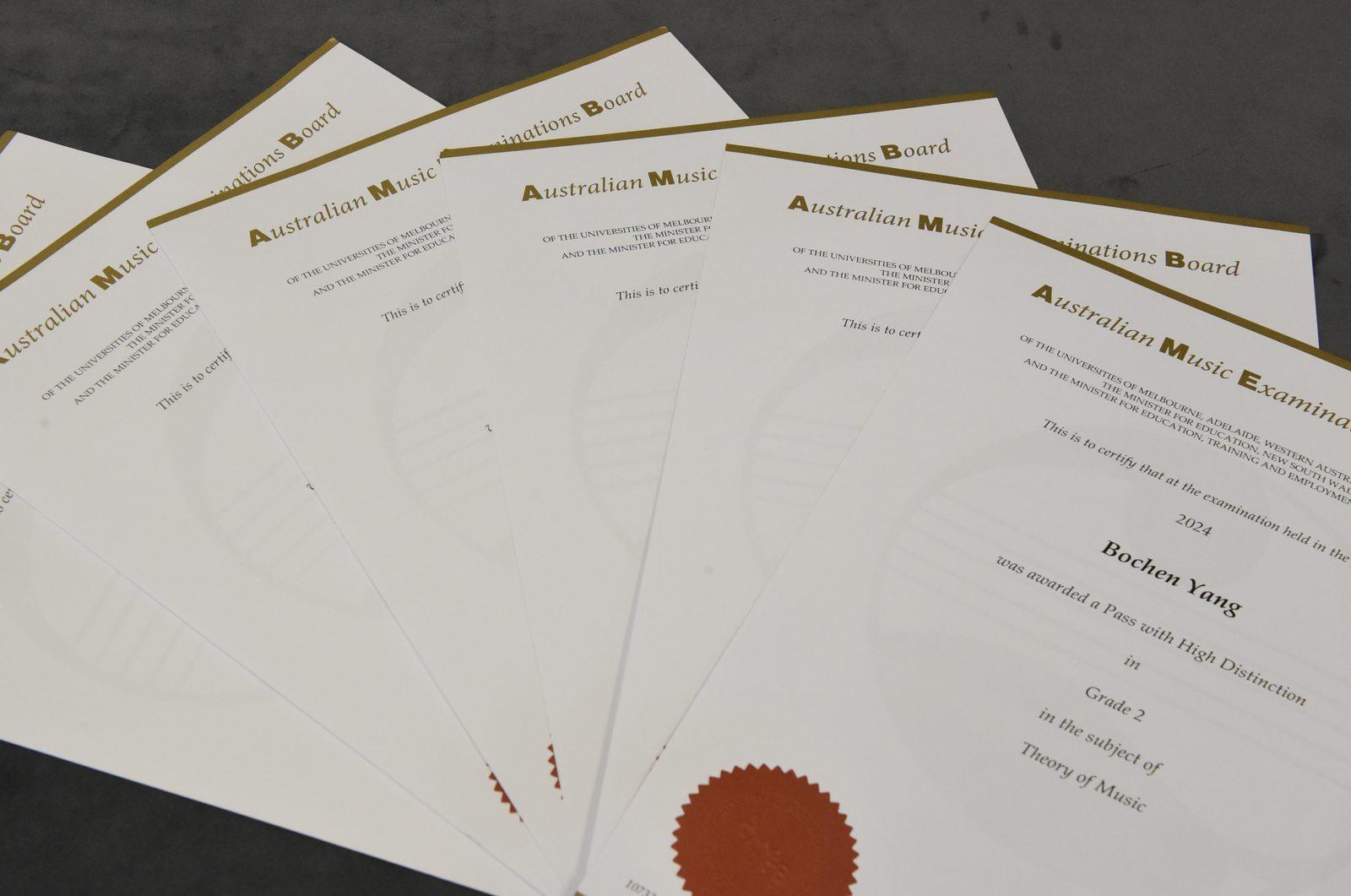
Exam certificates of some of our students

Two students holding certificates by a piano
Exam certificates lined up on a piano
Exam certificates fanned out

What parents say

Public Google reviews of our Box Hill listing, quoted as written.

“老师很有耐心,课程紧凑不拖拉,课后有问题问老师,老师也都很快回复,非常棒的学校”

[Translated from Chinese]The teachers are very patient, lessons are tight and never drag, and when I ask the teacher a question after class they reply quickly. A great school.

Liu Tiffany · Google review · 5 stars
“非常好的钢琴机构,老师教学非常认真,小朋友学得特别快”

[Translated from Chinese]A very good piano school. The teachers teach very conscientiously and the children learn especially fast.

Q Li · Google review · 5 stars
“Love this place, teachers are amazing. My daughter loves playing her piano all thanks to her lovely teacher Cloe.”
Deniz G · Google review · 5 stars
“Very friendly environment for all aged kids, Always made my son and daughter feel very welcome and comfortable in the environment. Great learning opportunities with great management at a reasonable price. Quite flexible time management. Very impressed!”
ximing gu · Google review · 5 stars

See all reviews on Google →

I'd like to know how my child can start

Concerts and the stage

From a short piece in class to the courage to perform.

Learning music also means performing a piece from start to finish. By performing their pieces and playing in concerts, children gain stage experience and gradually build confidence in performing.

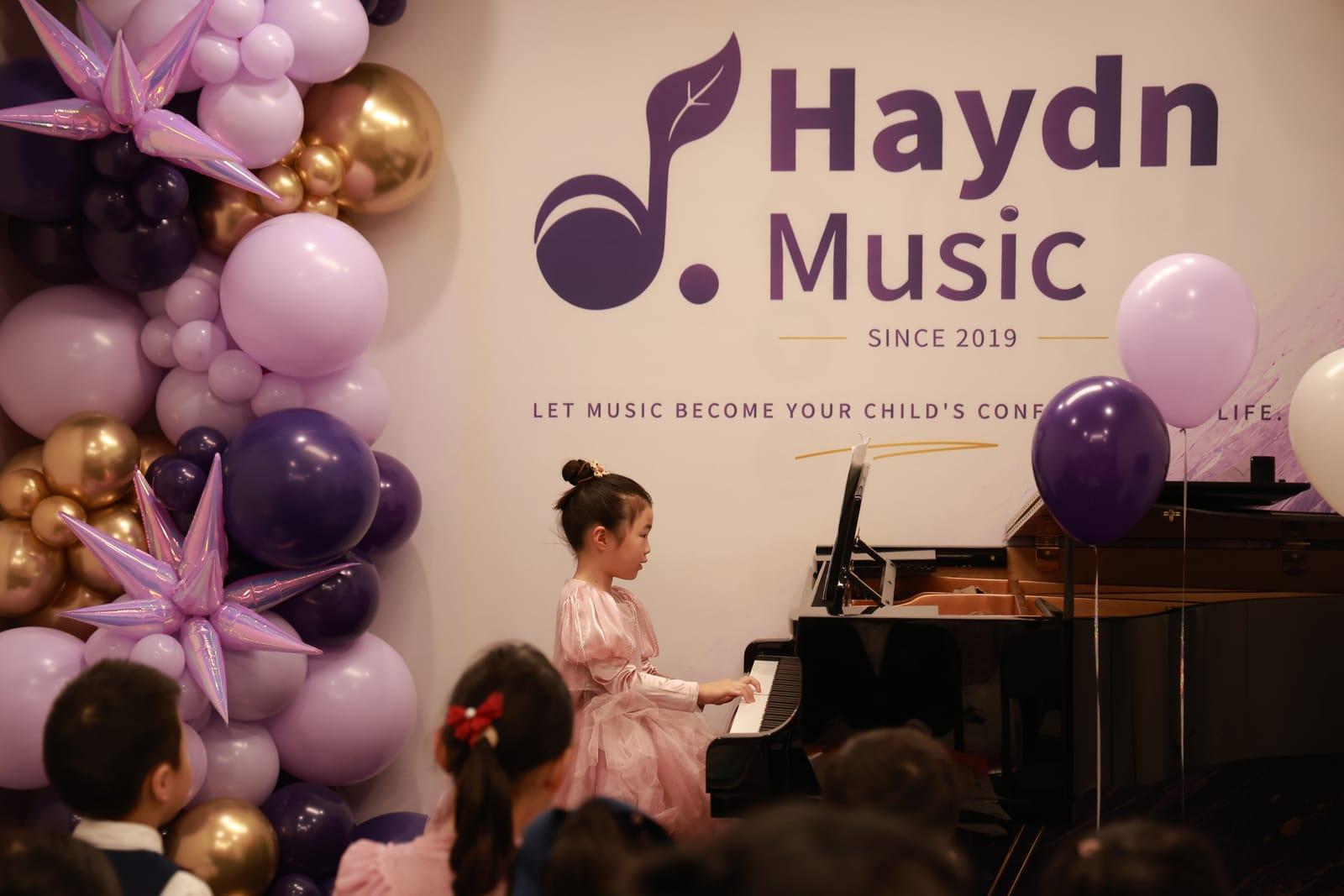
A piano performance at the studio recital
September 2026 · Studio recital
A piano performance at a concert
2025 · 6th Anniversary Concert
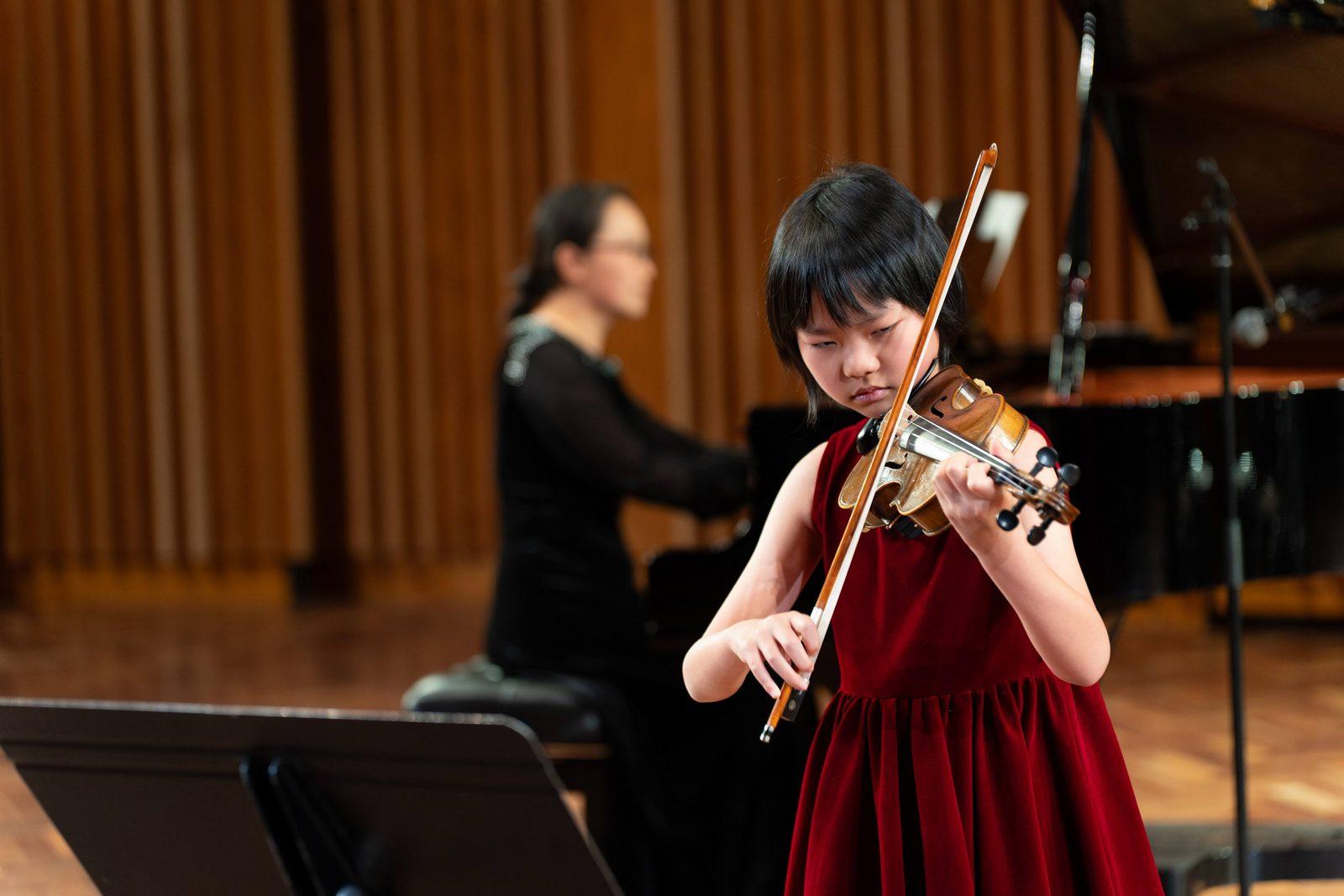
A teacher at the piano accompanying a violin solo
2025 · 6th Anniversary Concert
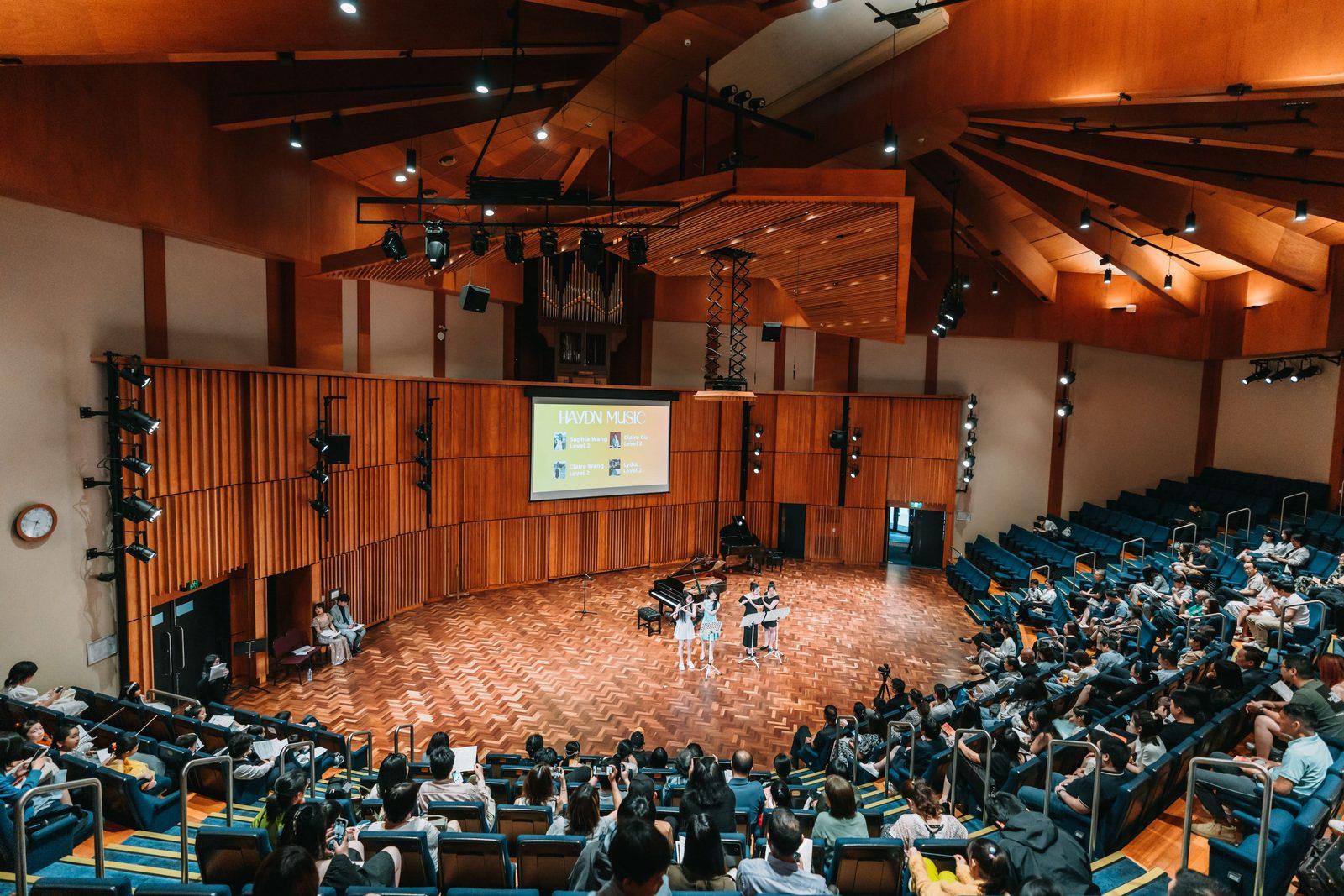
The concert hall and stage
2024 Annual Concert
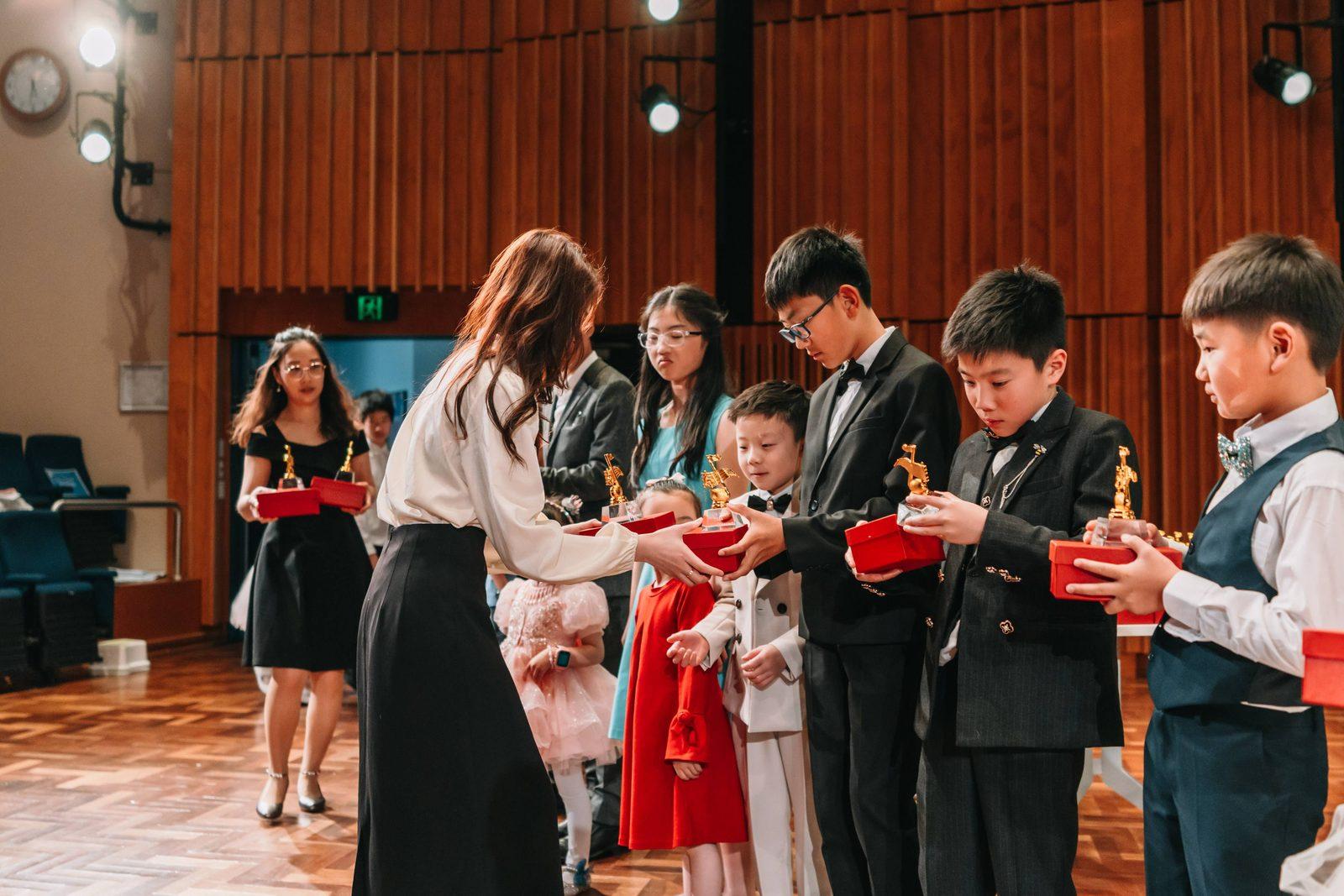
A teacher presenting awards to students at a concert
2025 · 6th Anniversary Concert

Performance clips

  • Term assessment recap

    Piano · Assessment

  • Playing in the piano room

    Piano · In studio

  • Violin holiday programme highlights

    Violin · Holiday programme

More videos →

The school and its studio

Haydn Music was founded in Box Hill, Melbourne, in 2019. We care about children's continued growth, from their first steps in music through the basics to more advanced study. We value a clear learning path, and we care whether a child has really understood and learned the method. Our hope is that, over time, children can read music on their own, know how to practise, and perform with confidence.

Milestones

  1. 2019: founded

    Haydn began in a small space in Box Hill: a little over 80 square metres, with five teaching rooms. The founder taught and handled the administration herself.

  2. March 2021: first concert

    The first concert was held in a classroom, with students and parents there together to hear the children play.

  3. 2024: a new space

    To give students a better learning experience, the school moved to a new teaching space.

  4. Since then

    We have gradually refined the piano programme and the links between its stages, adjusted how practice is structured in lessons, and added ensemble instruments and more chances for students to perform.

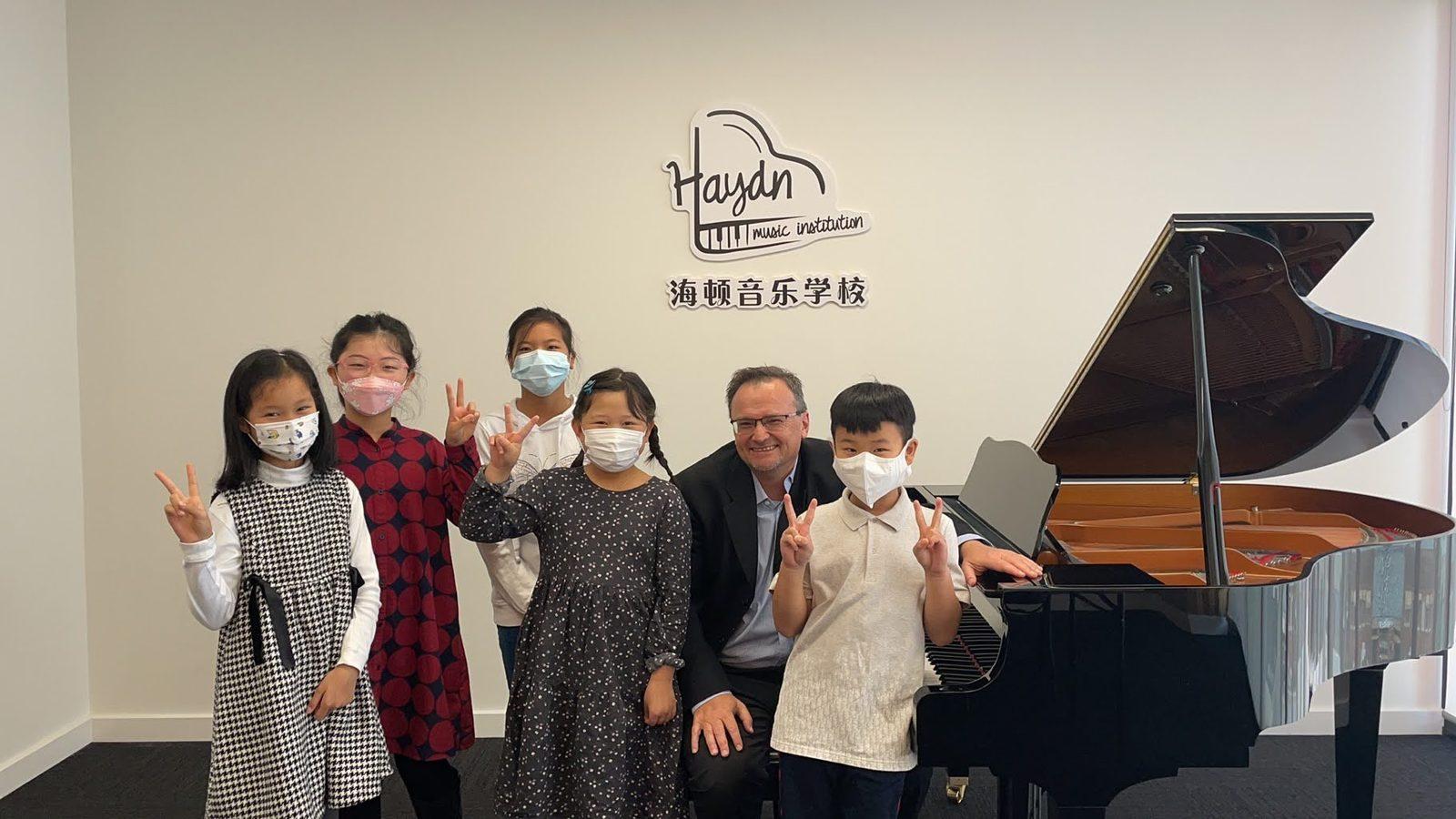
An early group photo at the old studio
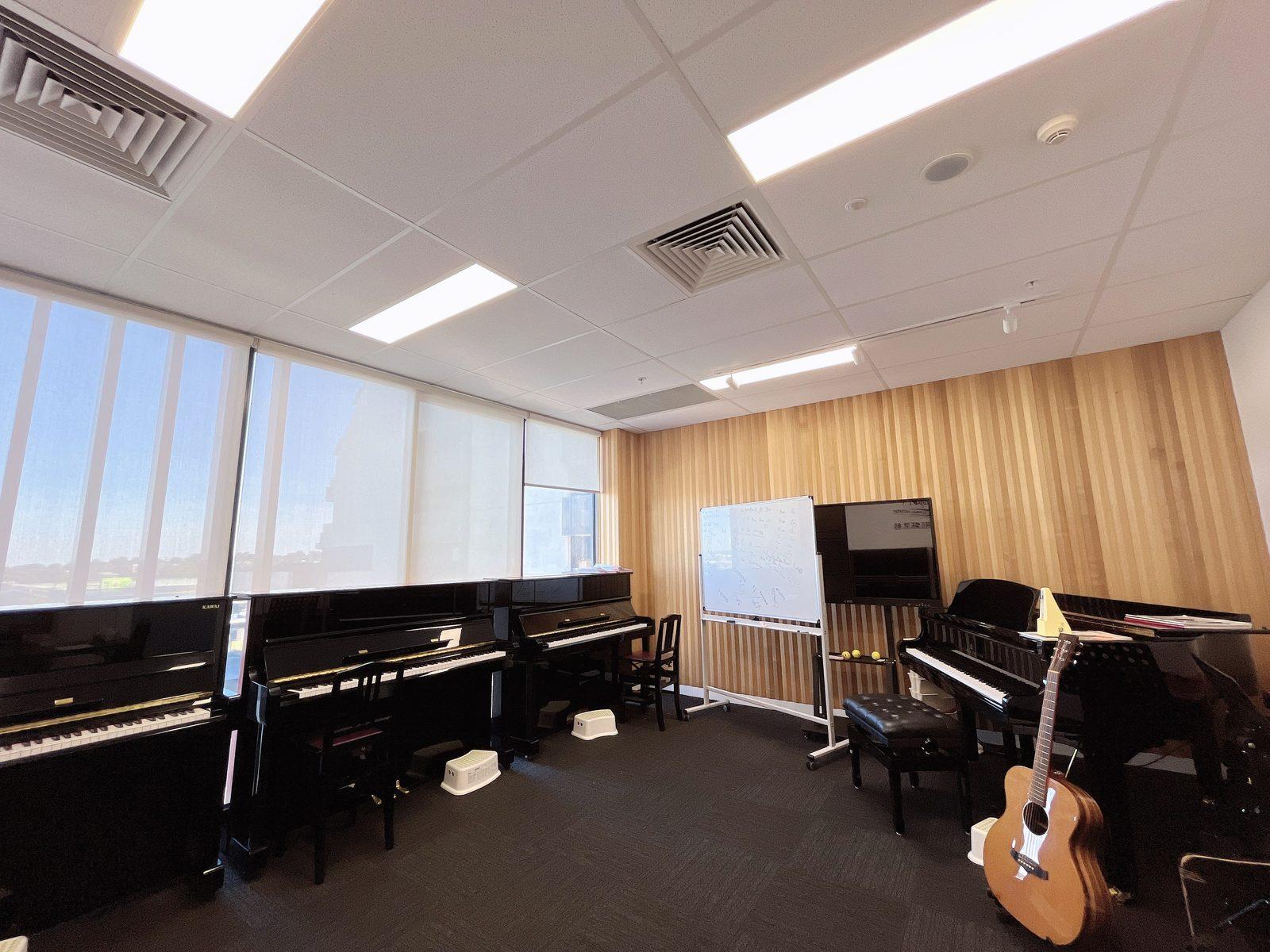
A piano classroom at the old studio
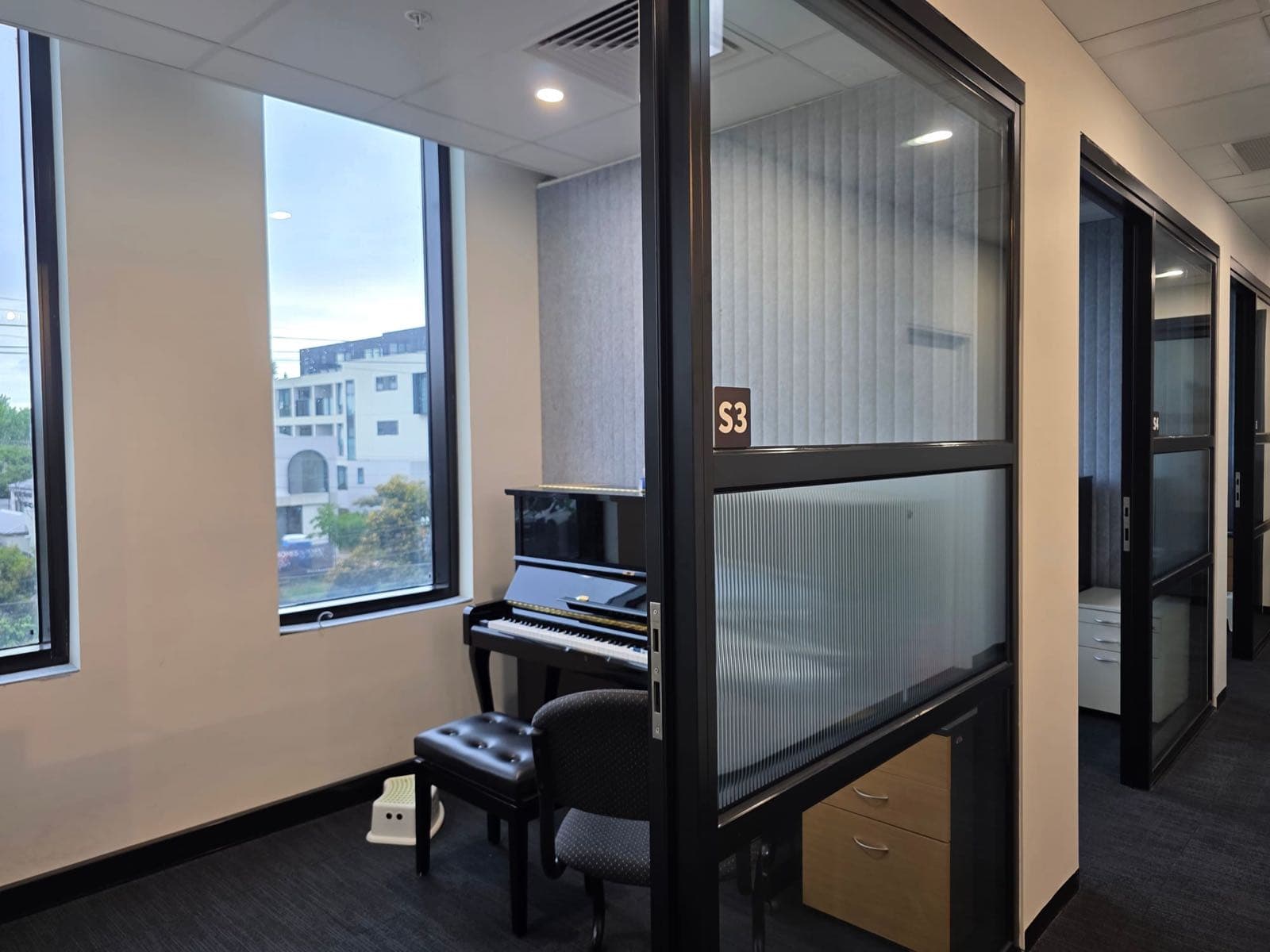
Piano room S3 at the Haydn Music Box Hill studio, with an upright piano and a piano stool
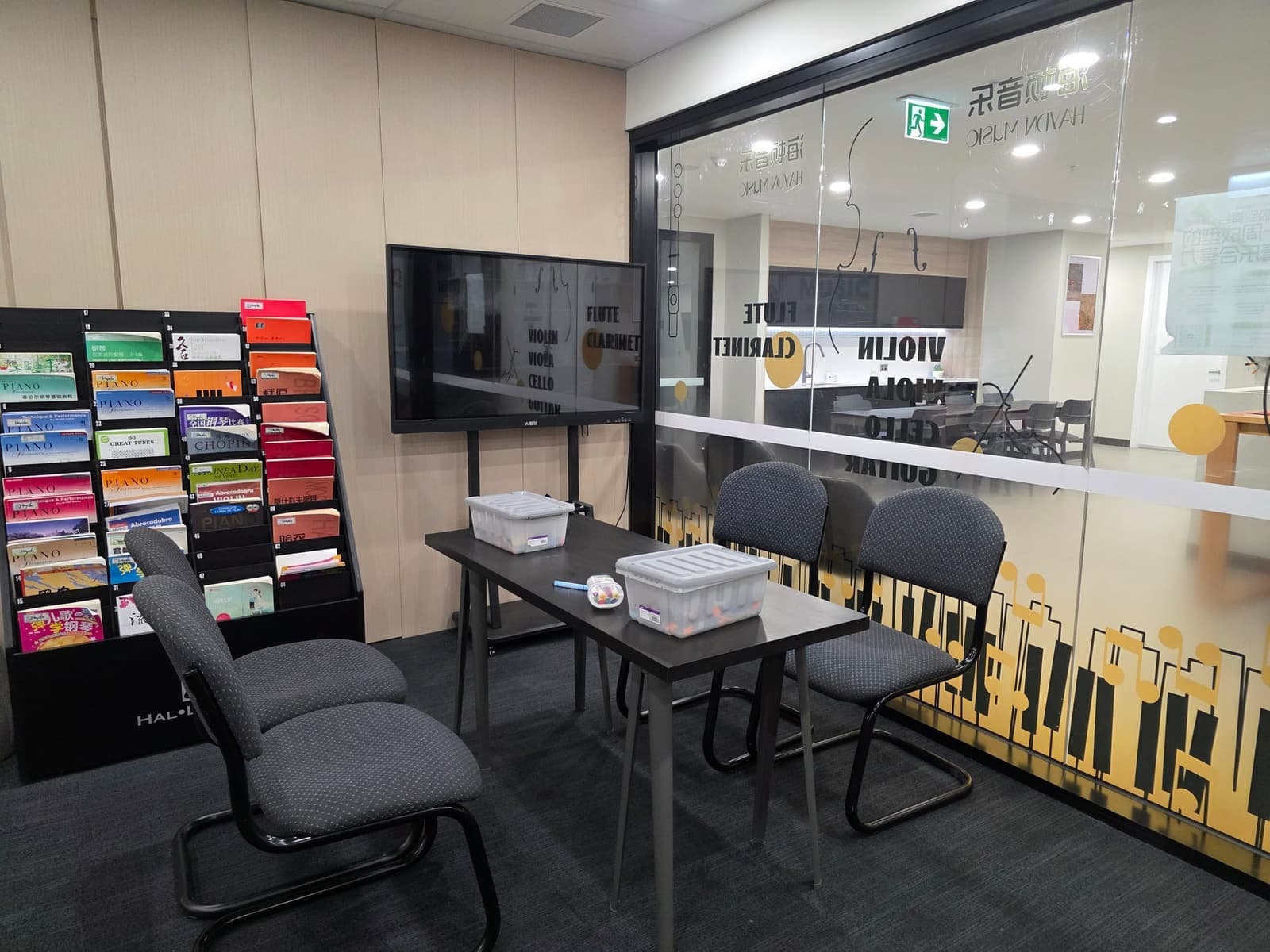
The waiting area at the Haydn Music Box Hill studio, with a music book rack and glass panels printed with lesson names
FAQ, enquiries and trial booking

Common questions

How long until my child can play?

We start by breaking “learning to play” into specific goals. In the first term we hope your child will gradually be able to find the starting key on their own, make sense of the markings in beginner music, play in time with the beat, and finish a short piece that is ready to play for others. Each term, a performance piece and a progress check show what your child has learned and what comes next.

How long until my child can take an exam?

The timing of an exam depends on your child's starting point, attendance, practice and how secure their skills are. Haydn builds the skills needed step by step along the way, then decides from your child's progress at that stage whether to begin exam preparation.

How should my child practise at home?

Each week parents receive specific practice tasks, so they know what to practise and how. The teacher explains and practises with the child in the lesson. If something is difficult, we talk with parents about what suits their child.

How is the trial lesson arranged?

The piano trial lesson is 30 minutes. You can first talk with the school about a time that suits. Once the school has confirmed the time with you, your trial lesson is booked. Until then, nothing is booked and nothing needs to be paid.

Find out where your child is starting from, then begin with lessons that fit.

The piano trial lesson is 30 minutes. Tell us your child's age and any piano experience, and we will help find the right starting point.

Book a piano trial · 30 minutes
Unit 303/9 Prospect St, Box Hill VIC 3128Visit the studio →
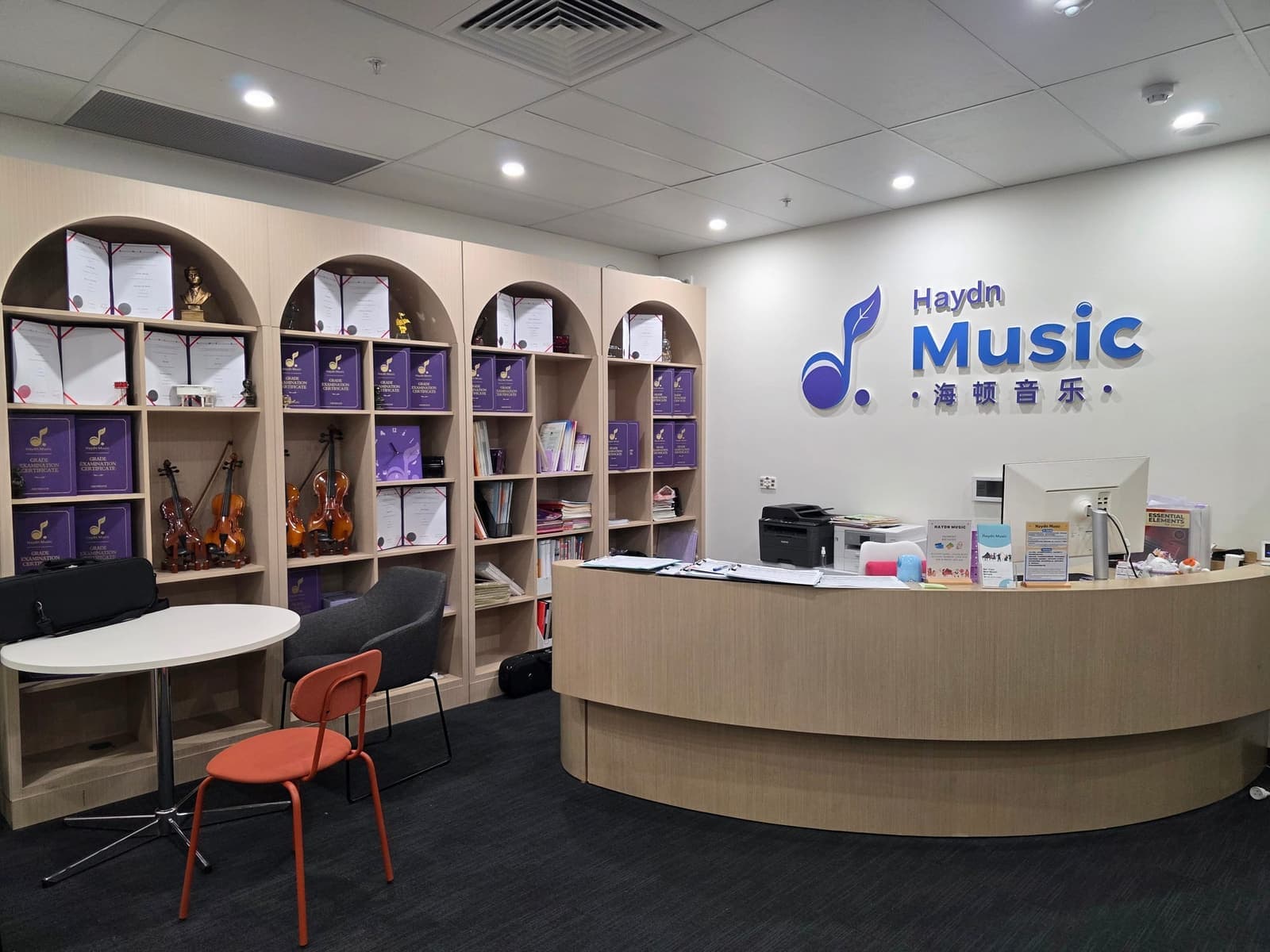
The reception at the Haydn Music Box Hill studio, with the Haydn Music logo on the wall and violins on the shelves behind the desk
Book a TrialCall us